
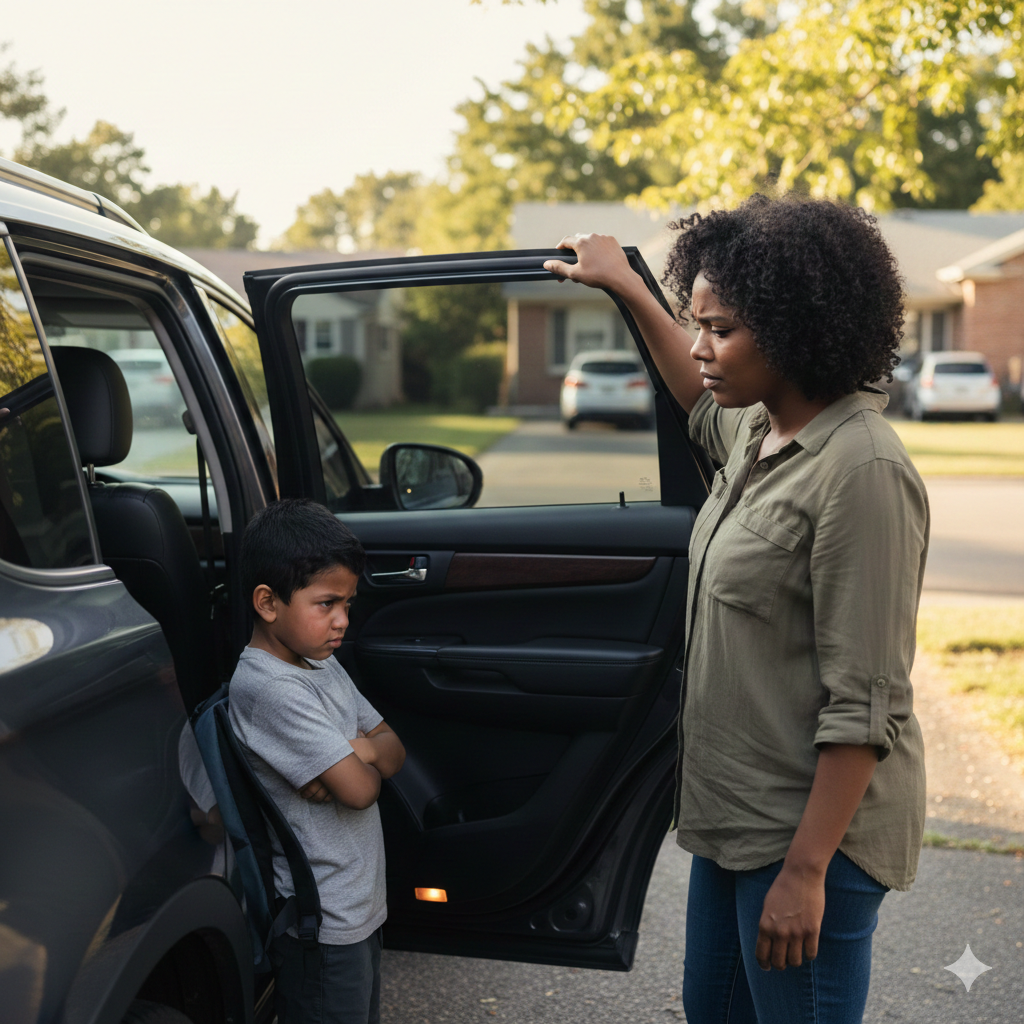
Does your child melt down over small things?
Maybe they love soccer, but on the first day of practice, they cling to your leg. Maybe they have a room full of toys, but after ten minutes at home, they complain they are bored, then spiral into whining or picking fights with their siblings.
In those moments, many of us do the same thing: We try to talk them through it. We explain. We encourage them. We remind them of all the reasons they will be fine. And yet, the big reactions still happen every time.
This is not about your child being dramatic or you saying the wrong thing to them. It is usually about something called their zone of tolerance.
In this blog, we will discuss this hidden factor that quietly controls how they respond to discomfort, so your child can slowly grow their ability to handle discomfort without such dramatic responses.
What Is Your Child's "Zone of Tolerance"?
As an illustration, think of your child's nervous system like a cup.
Some cups have wide openings. You can pour a lot of water into the cup without the water spilling.
That is a child with a wide zone of tolerance.
If your child has a wide zone of tolerance, when they feel embarrassed or they experience a new situation or even boredom, it may not feel good for them, but they don't see those situations as a threat. Their fight-or-flight response doesn't kick in.
Other cups may have a very small opening. Even a small pour leads to a spill.
That is a child with a narrow zone of tolerance.
If your child has a narrow zone of tolerance, when they feel embarrassed or they experience a new situation or even boredom -- really, anything uncomfortable -- they sense a threat. In those moments, your child is thinking: "I am uncomfortable, and this is very bad," and their fight-or-flight response DOES kick in.
That results in the meltdowns, explosive behaviour, shutting down, or avoidance.
So the problem is not just what you see on the surface. The deeper issue is how much discomfort they can tolerate before their nervous system senses a threat or problem.
Why Logic Does Not Work During Big Reactions
Most parents respond to big reactions with logic. It makes total sense.
You might say things like:
"It's just a birthday party. You'll have fun once you get there."
"You love soccer. This is just like playing in the yard."
"If you're bored, go play with your other toys."
"It's just one mistake. It's no big deal."
For some children, those statements might help calm them down. But with children with a narrow zone of tolerance, their body will respond to those situations in the form of "fight or flight."
That means:
- Their nervous system is screaming there's a "threat."
- Their brain is busy trying to protect them from the threat of the discomfort.
- Their fight-or-flight response shuts off access to the logical part of the brain
So when you offer reasonable explanations, their nervous system basically rejects your logic or words.
Your words cannot land inside a cup that is already spilling over.
This is why it can feel like your child is "ignoring" you or "not listening."
They are not choosing to tune you out. Their brain genuinely cannot use and process logic at that moment.
How Kids Actually Grow Their Zone of Tolerance
What can help your child widen their zone of tolerance?
The short answer is: experience
But not just any kind of experience.
Kids grow their zone of tolerance when they experience discomfort in small doses, in a supportive setting with no shame for their reaction.
If a child feels discomfort and has a big reaction… and then someone gets angry at them for that reaction, they learn, "Discomfort is dangerous. My feelings cause problems."
Their brain then treats any type of discomfort as even more of a threat. Their zone of tolerance continues to stay narrow.
But if they experience discomfort in a situations where:
- An adult stays calm
- No one tries to talk them out of their feelings
- No one shames or gets angry at them for reacting
Then their brain can start to learn, "This is uncomfortable, but I can handle it. This feeling is not so scary. It's not a threat."
Over time, this is what grows your child's zone of tolerance.
Your Presence Matters More Than Your Words
One of the most powerful things you can offer to support them in these situations, is your regulated and confident presence.
Instead of trying to fix their feelings, you are showing them: "I am not scared of your discomfort. It is not scary, and it will pass."
Here is how that might look in real life: Imagine you attend a birthday party, but at the doorway your child freezes, saying they feel sick or begging to go home.
Instead of saying:
"You'll like it once you get there. It will be fun."
Try saying something like:
"I know this feels uncomfortable."
"Let's take a deep breath together."
"Squeeze my hand as hard as you want, and we will walk in to the party together."
You are not arguing with their feelings or pushing them faster than they can handle.
You are helping them stretch their comfort zone in a confident and supported way.
How to Teach Your Child To Soothe Themselves
Eventually, you want your child to have their own tools to handle discomfort.
But here is an important sequence:
First, they experience that discomfort is survivable with you beside them.
Then, once their brain does not see discomfort as a threat, they can start to use strategies more independently.
If they still deeply fear discomfort, they cannot access those strategies when they're uncomfortable, no matter how many times you have talked about them.
Once they do have a sense that discomfort is not dangerous, one powerful category of tools you can teach them is shifting focus.
To do this, teach them to move their attention away from the "threat" (the thing that makes them uncomfortable) and onto something safe. That sends signals to their nervous system, "I am actually safe right now."
Here are a few simple ideas you can introduce and practice with your child outside of big moments:
Rainbow search
"Look around the room and quietly find something red, orange, yellow, green, blue, purple."
Silly song switch
Take a song they know and make up new funny lyrics together.
Movement counting
"Let's do 10 jumping jacks together and count them out loud."
The goal is for them to focus on something that doesn't increase the threat as the feeling of discomfort naturally passes.
Over time, these tiny experiences widen their zone of tolerance.
How This Builds Confidence And Resilience Over Time
As your child has more supported experiences with discomfort, their internal story shifts from:
"I cannot handle this."
"This is hard, but I can get through it."
You may start to see changes like:
- They pause instead of melting down after a small mistake.
- They still complain about boredom, but they do not spiral as often.
- They are nervous about new activities, yet they can still walk in with you.
You are not removing all discomfort from their life. You are helping them reinterpret what discomfort means.
Instead of "Discomfort equals danger," their brain learns, "Discomfort is something I can handle."
That is their zone of tolerance widening.
Your Next Step
If you are ready to feel calmer, more confident, and less stuck in daily emotional storms, you do not have to figure this out on your own.
In my workshop, When Emotions Control Your Home: Build Your Plan to Calm Emotional Storms (When Nothing Seems to Work), you will learn how to:
Understand your child's unique zone of tolerance
Respond calmly when their "cup" overflows
Create a simple, realistic plan to handle big reactions at home
You will walk away with practical steps you can start using right away to support both your child's nervous system and your own.
FAQ: Helping Kids With Big Reactions
How do I help my child calm down faster during a meltdown?
Start by calming your body first. Soften your shoulders, slow your breathing, and lower your voice. Then keep your words simple. Save problem solving and lectures for later, when they are back in a calmer state.
What if my child refuses to go to activities they usually enjoy?
See that refusal as a sign of discomfort, not defiance. Acknowledge the feeling first: "You are nervous about going today." Then offer small support, like going early, staying for just part of the time, or walking in together while they squeeze your hand. The goal is to spend some time in the space of discomfort.
Is my child just being dramatic or attention seeking?
A child with a narrow zone of tolerance may look dramatic on the outside, but inside their body feels flooded. Treat the big reaction as a signal that their cup is overflowing. When you respond with confident support, you help that cup slowly widen.
How long does it take to widen a child's zone of tolerance?
There is no set timeline. Think in weeks and months instead of days. Look for tiny signs of progress, like shorter meltdowns, slightly faster recovery, or trying something new with less resistance. Each supported experience with discomfort is a brick in the foundation of their resilience.